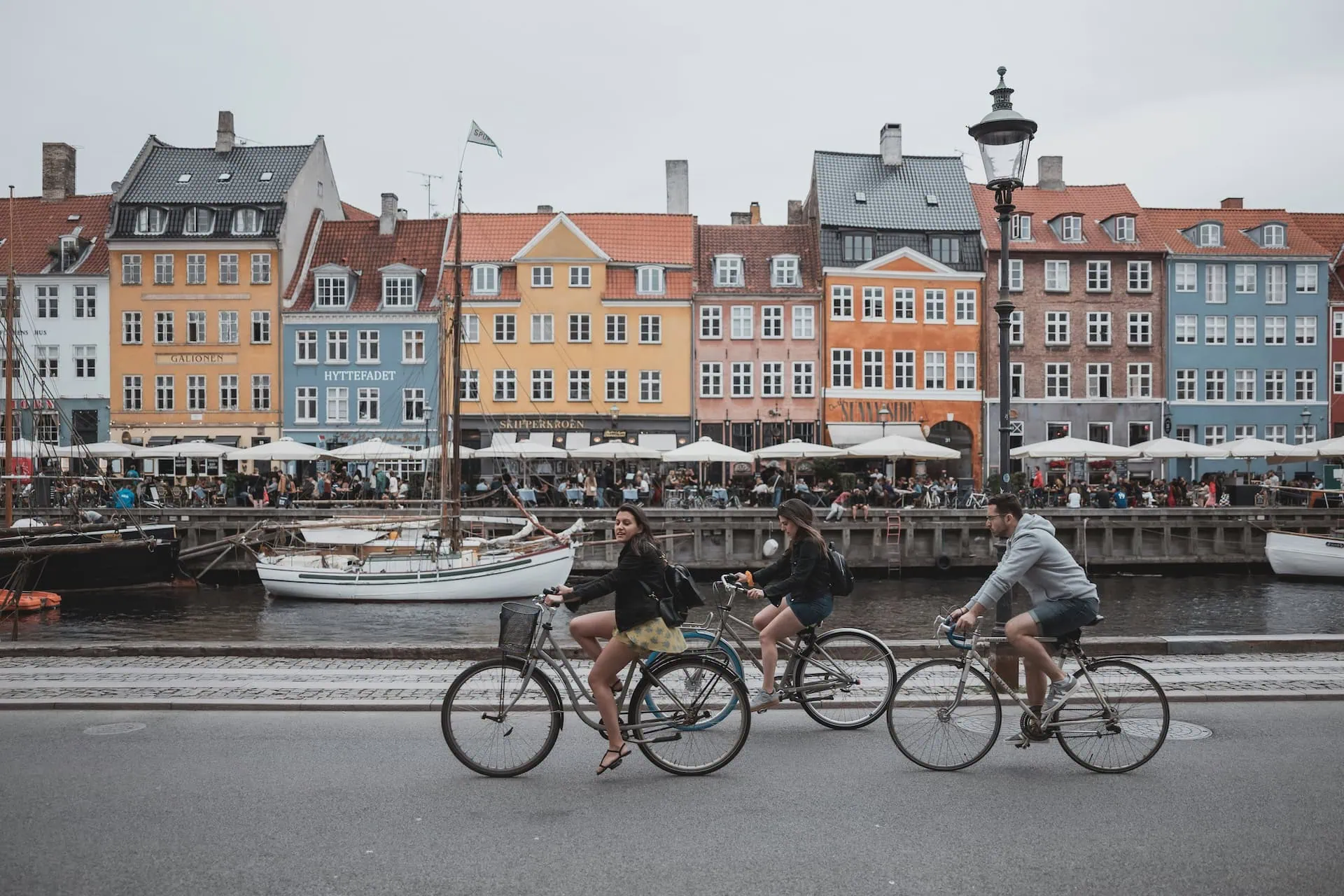
Making the leap and relocating to Copenhagen comes with equal parts excitement and logistics. Copenhagen offers an exceptionally high quality of life with design-forward neighborhoods, a thriving culinary scene and a leading work-life balance. This guide walks you through the essentials, from visas and housing to budgeting, transit, language learning and community, so you can relocate to Copenhagen smoothly and start living like a local, faster.
Relocating to Copenhagen
Arriving prepared makes the difference between weeks of admin and a quick, confident start. Whether you’re moving with a company or on your own timeline, think in phases: paperwork, a smart first landing pad, and daily-life setup.
Corporate Relocation
If your move is employer-backed, confirm what support is on the table before you book flights. Many companies provide visa assistance, temporary accommodation and tax introductions, and some even cover early language lessons. Align on timelines, especially if you’ll begin in short-term housing while you apartment hunt. If you work hybrid, prioritize a setup that lets you be productive from day one with reliable Wi-Fi, a proper desk, quiet call spaces and easy access to meeting rooms.
Temporary Relocation Housing
Considering temporary housing upon relocation can be an asset in facilitating a smooth move. Securing an address allows you to proceed through the registration process and onboard yourself to life in Copenhagen with ease. Plus, a temporary, furnished base buys you time to view apartments in person, learn neighborhoods and handle registrations in the right order.
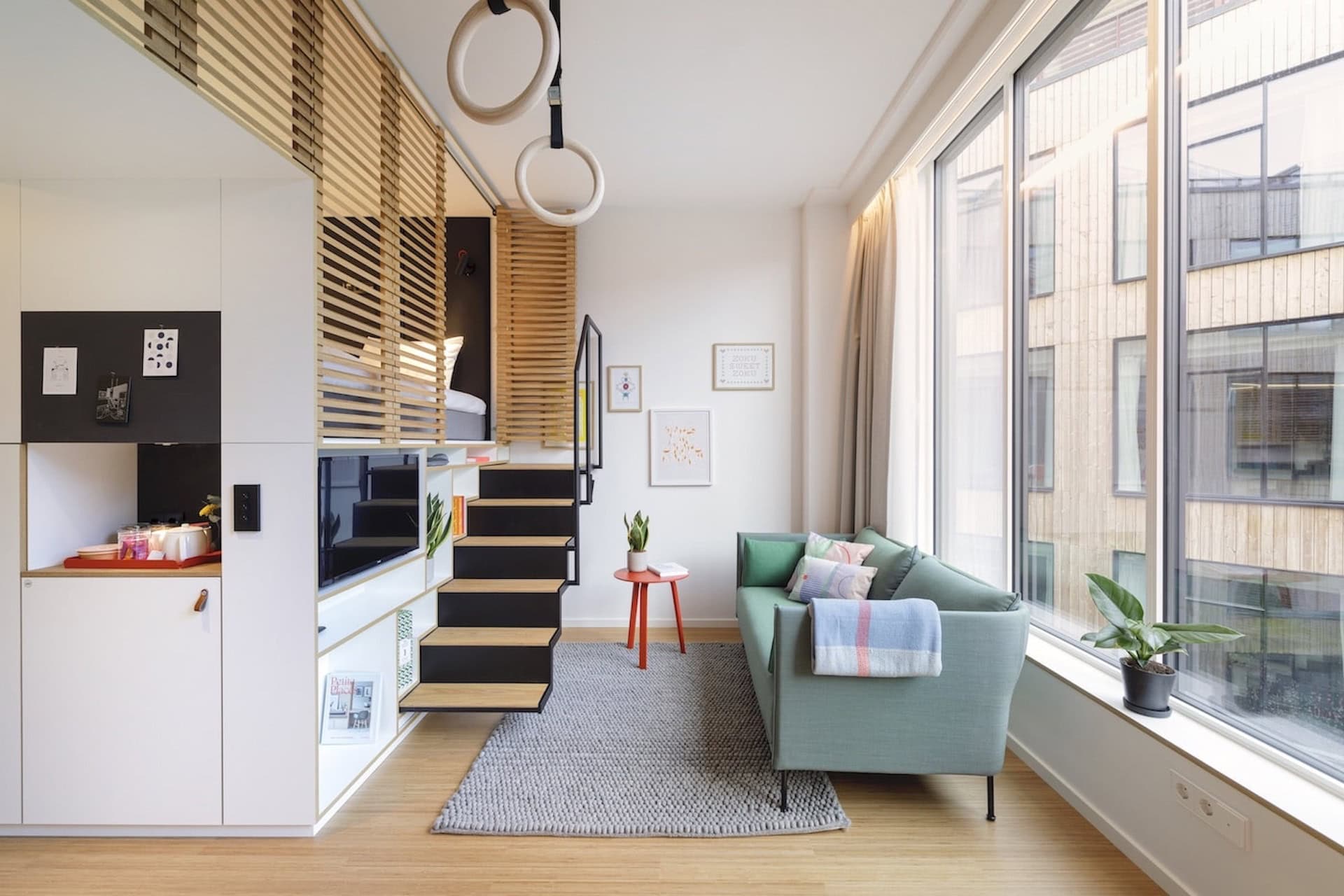
Look for options that can support address documentation for local procedures, such as Zoku Copenhagen. Designed to provide a home-office setup and community while you navigate the early steps, without locking you into a long lease. That community piece matters more than you think in your first month.
Visas & Other Bureaucracy
Denmark’s process is logical but sequence-sensitive. Non-EU/EEA citizens generally secure residence and (if applicable) work permits before arriving; EU/EEA citizens register after they land. Once you have an address, even a temporary one, you’ll register locally and apply for your CPR (civil registration) number. CPR unlocks almost everything: healthcare, banking, taxes and digital services via MitID. Your health card arrives after your CPR is processed, and you’ll likely book a bank appointment once you have that number. It’s good to note that appointments fill up quickly, so book early to ensure a quick, smooth transition upon arrival.
Understanding the Cost of Living in Copenhagen
Daily Expenses
Groceries are reasonable when you mix discount chains with specialty shops for treats. Dining out is excellent, Copenhagen is known for its innovative restaurant scene, and can be pricey. Utilities are efficient; winter heating nudges costs up for a few months. Internet is fast and widely available, and bundles with mobile can simplify bills. If you plan to bike, be sure to invest in a sturdy lock and lights, which are as essential as the bike itself.
Finding a Place to Live in Copenhagen
Best Neighborhoods in Copenhagen
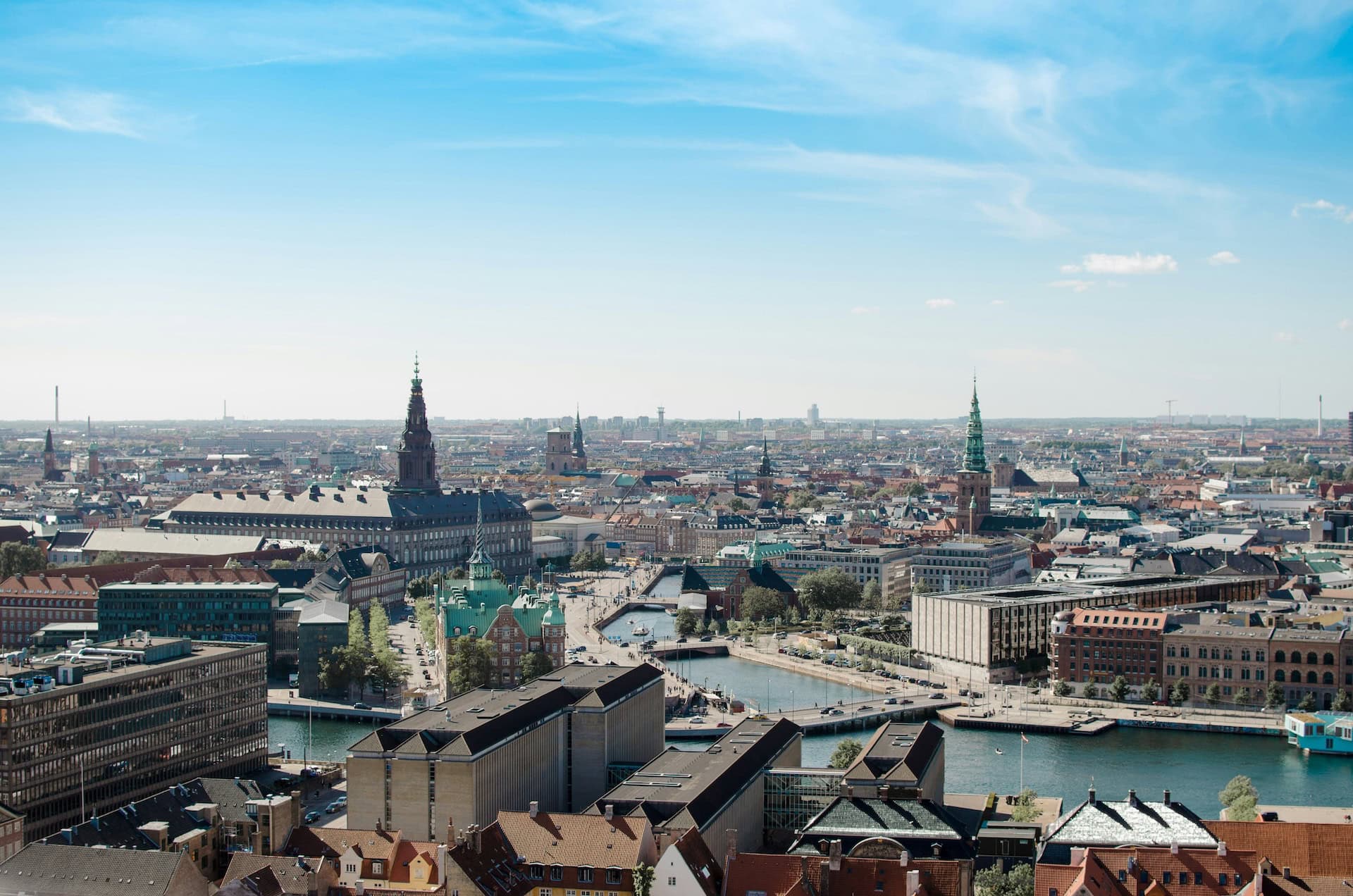
The best neighborhoods in Copenhagen depend on your rhythm. Vesterbro is creative and lively, with a fast walk to the central station. Nørrebro blends multicultural energy with independent eateries and green pockets. Østerbro is polished and calm, close to lakes and Fælledparken. Islands Brygge and Nordhavn put you on the water, with sunny boardwalks and modern buildings. Amagerbro balances city access with beaches and the airport, while Frederiksberg charms with leafy streets and handsome, classic apartments. Indre By (the historic center) delivers culture at your doorstep, along with premium prices and busy streets. Sydhavn is evolving quickly, with contemporary architecture and improving links.
Housing Expenses
Housing is your biggest line item. Central districts and canalside homes command a premium. Prices soften as you follow the metro lines outward or consider slightly smaller spaces. Deposits can be several months’ rent, often in addition to prepaid rent, so cash flow planning before moving matters. Many newcomers begin in flexible, furnished housing to avoid rushed furniture purchases and to buy time for a thoughtful long-term search.
Practical Tips for Relocation
Banking and Finances
Most banks will ask for your CPR to open an account. Book an appointment early and bring ID, proof of address, and employment documents. If you need to bridge the gap, app-based banks can tide you over for everyday payments. Once your account is active, set up salary, subscriptions, and your transit plan so monthly essentials run on autopilot.
Transportation Options
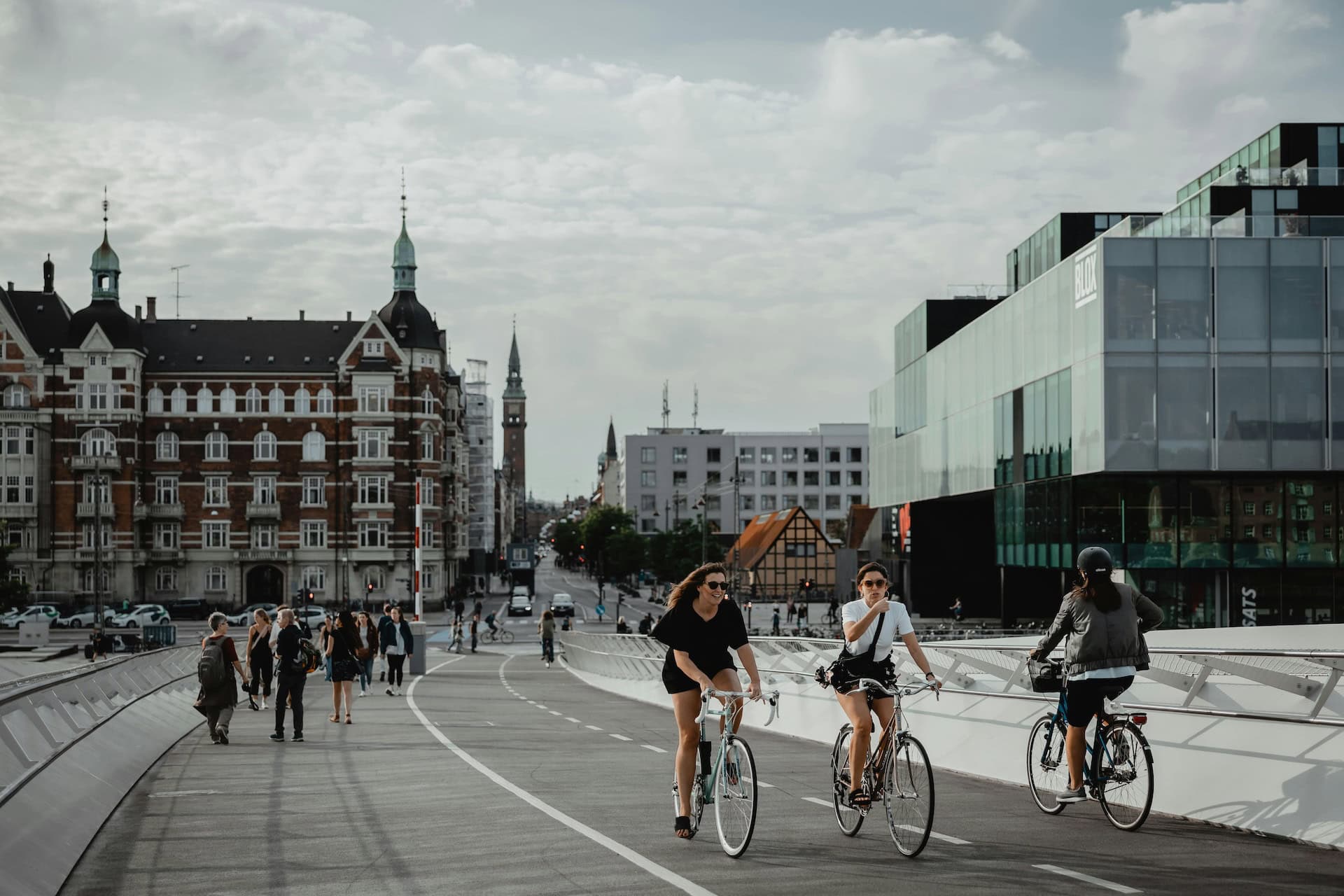
Public transportation in Copenhagen is very well-connected. The metro runs 24/7, trains and buses knit the region together and bike-first infrastructure creates a highly liveable urban environment. Most newcomers adopt a hybrid: bike when skies are clear, hop on metro or bus when it rains or for longer hops.
Setting up Utilities
Confirm with your landlord or housing provider what’s included. Many buildings already have fiber; schedule installation ahead of move-in when possible. Keep meter readings and account numbers in your records, they matter at move-out, too. If you’re starting in serviced accommodation, utilities and internet are typically included, giving you breathing room before you compare long-term providers.
Learning Danish
Yes, you can live comfortably in English, but even a little Danish changes your day: reading notices in your building, chatting with neighbors and handling simple admin without switching languages. Danish accelerates cultural integration. It signals commitment, warms social interactions and makes everyday errands frictionless. You’ll find municipal programs aimed at newcomers alongside private schools with evening, weekend, and intensive options. Match the format to your schedule: practical conversation courses for day-to-day use, or short intensives if you want to ramp quickly in your first months. Some employers reimburse tuition; it’s worth asking.
Expat Life in Copenhagen
Social Life and Community Engagement
Settling into expat life in Copenhagen is easier when you plug into the city’s existing rhythms. Think weekly touchpoints rather than one-off meetups: a neighborhood run club, a ceramics studio or a language-exchange evening where faces quickly become familiar. Community-forward spaces like co-working hubs and cultural centers double as social infrastructure. At Zoku Copenhagen, for example, community events including talks, workshops and networking create low-pressure moments to meet like-minded people.

Networking Opportunities for Expats
Copenhagen’s professional scene is compact and well-connected, especially across design, tech, green energy and life sciences. Co-working spaces and innovation hubs often host mixers that feel more like conversations than conferences, ideal for widening your network beyond your immediate team.
Activities in Copenhagen
Museums and Attractions
Copenhagen’s cultural scene ranges from world-class design museums to intimate contemporary galleries. Weekends can swing from castle courtyards to waterfront exhibitions and cozy cinemas. Start with SMK – Statens Museum for Kunst and Ny Carlsberg Glyptotek, then add Designmuseum Danmark for a design fix. For a showstopper day trip, the Louisiana Museum of Modern Art pairs world-class exhibitions with sea views. Mix in a classic or two like Rosenborg Castle (crown jewels), the Round Tower for city panoramas, and Tivoli Gardens after dark. This shortlist of iconic Copenhagen cultural spots is a great place to start to get your bearings with the best of what the city can offer.
Parks and Outdoor Spaces
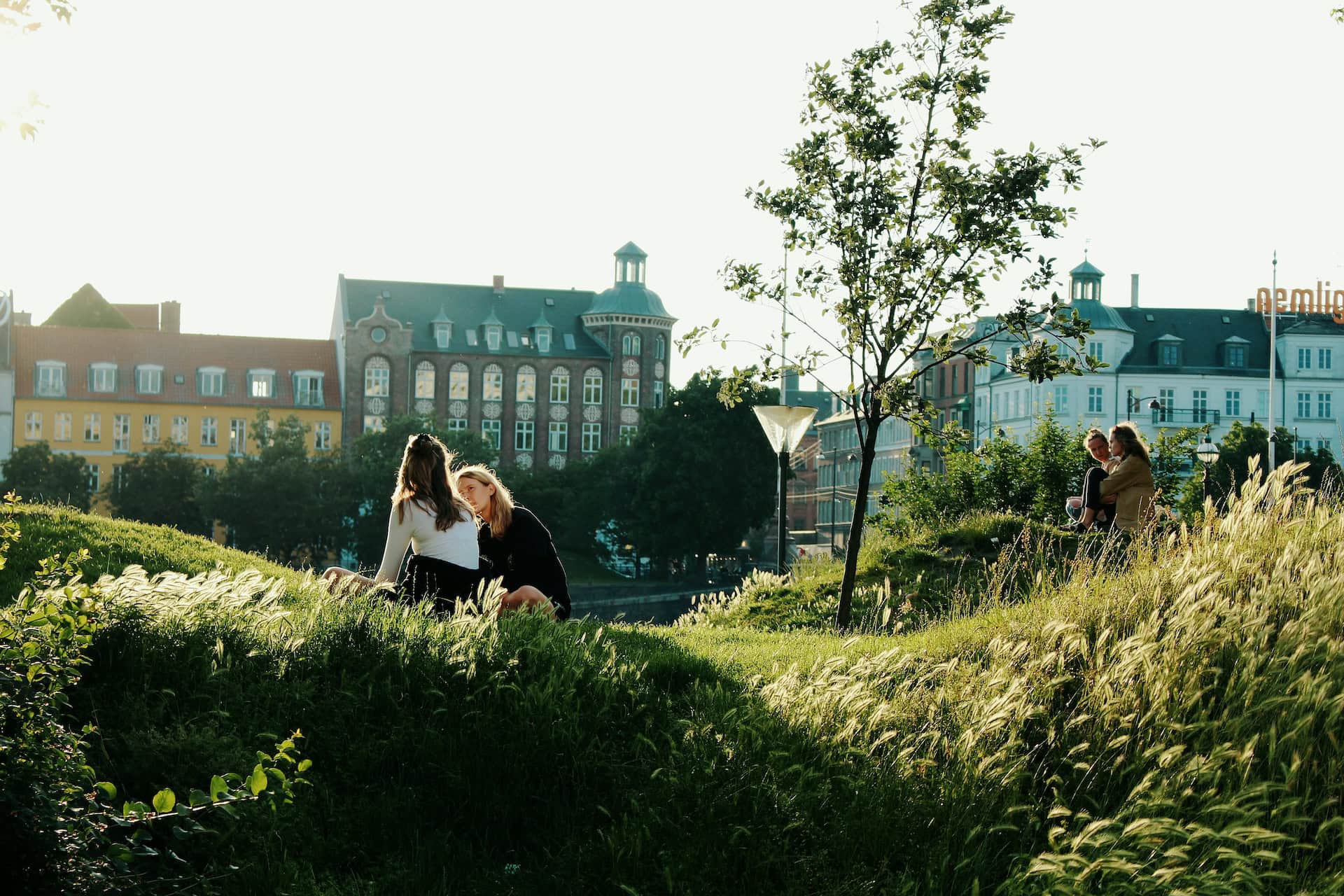
From the Lakes to Fælledparken to harbor promenades, green and blue spaces weave through daily life. In summer, you can swim at harbor baths; in shoulder seasons, long walks with a takeaway coffee become a ritual.
Nightlife and Cultural Hubs
For nightlife, Vesterbro’s Kødbyen concentrates bars, late-night bites, and gallery openings. Nørrebro’s Jægersborggade and surrounding streets mix inventive restaurants with low-key wine bars. Indre By gives you museums and concert halls, while harbor districts turn into social magnets on warm evenings. If your evenings are part of your identity, put “night walk” scouting on your neighborhood tour list.
Embrace Your New Adventure
Relocating to Copenhagen can feel like a puzzle at first, but the pieces click into place quickly when you follow a smart sequence: secure the right visa and registrations, choose a flexible landing pad, budget realistically for the cost of living in Copenhagen, and narrow your housing search to the best neighborhoods in Copenhagen for your routine. Learn a little Danish through language schools in Copenhagen, master public transportation in Copenhagen, and lean into communities that make expat life in Copenhagen feel rich from the start. With a few thoughtful choices, and a good raincoat, the Danish capital won’t just be where you live. It’ll be home.